Most major failures on commercial fitness equipment start with something small that was missed: a bolt working loose, a cable beginning to fray, or a pad wearing unevenly. Routine maintenance is not about repairing — it is about avoiding a far larger cost later.
Daily: cleaning and a quick check
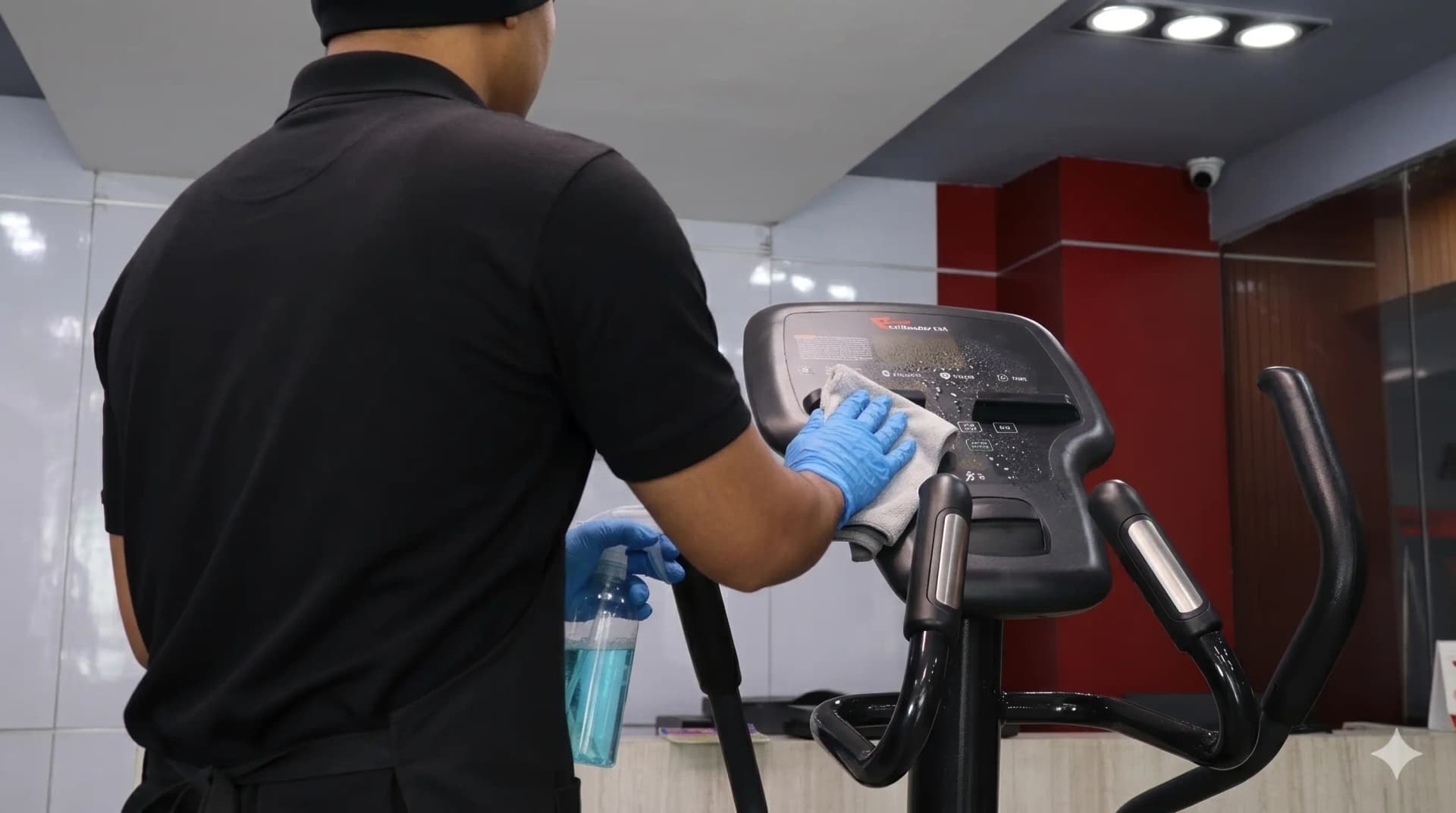
- Wipe pads and grips with a cleaner that will not damage the upholstery
- Return plates and dumbbells to their racks
- Listen for unusual noises during use and log them
- Check that no pins, cables, or collars are missing
Avoid high-alcohol cleaning products on upholstery. Cracked and peeling pads are almost always caused by the wrong cleaner, not by use.
Weekly: moving parts and fasteners
Check the bolts at points that carry load and vibration — frame joints, pad mounts, and load arms. A machine that wobbles is not only uncomfortable; it accelerates wear across every joint.
On cable machines, run the full length of the cable through your hand. Fraying that is just starting is a signal to schedule a replacement, not something to wait out until it snaps.
Monthly: lubrication and a full inspection
- Lubricate rails and shafts per the manufacturer's guidance — the wrong lubricant attracts dust and makes friction worse
- Inspect bearing wear at pivot points
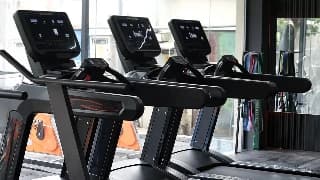
- Check console calibration and function on cardio equipment
- Inspect treadmill belt and deck condition
Write it down, do not rely on memory
Keep a simple log per unit: inspection date, findings, and action taken. That record makes wear patterns visible, simplifies warranty claims, and is invaluable when staff change over.
Scheduled maintenance is almost always cheaper than an urgent repair.
For maintenance that requires disassembly or replacing core components, involve a technician. We provide scheduled servicing and spare parts supply across the full RealleaderUSA range.