How Much Do Commercial Gym Equipment Packages Cost? Key Components to Calculate
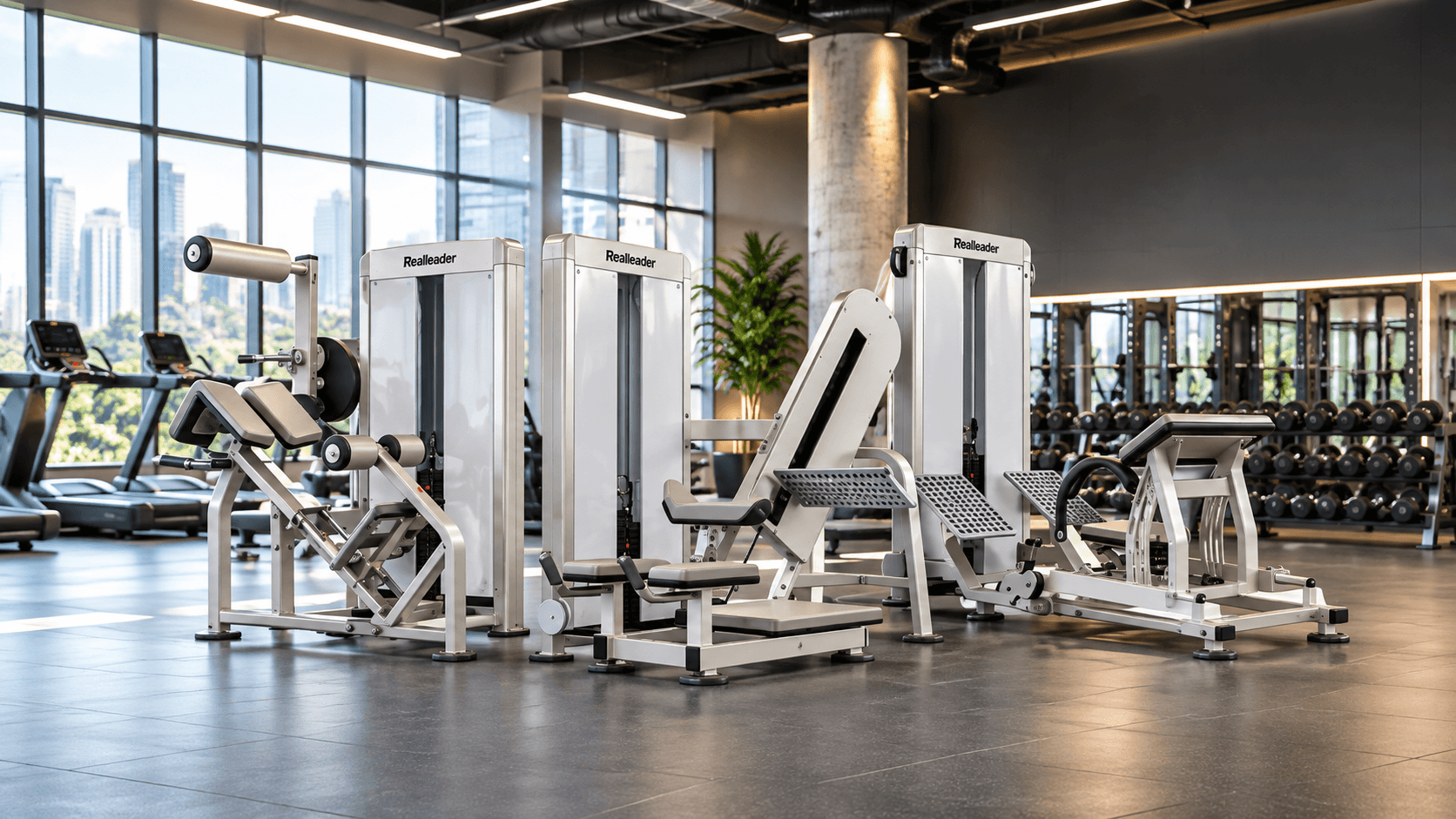
How much do commercial gym equipment packages actually cost when opening a fitness center, outfitting a hotel facility, or building an apartment gym? The answer depends on facility needs, equipment choices, and the services included in the offer.
Two packages with the exact same number of equipment pieces do not necessarily have equivalent investment values. Differences in specifications, user comfort, warranty coverage, and shipping costs can cause total budgets to vary.
Therefore, before comparing prices, you need to understand what you are purchasing and how the equipment will be used. Proper planning helps you provide a facility that suits your target users while avoiding overlooked expenses.
This article discusses the cost components that need to be factored in so you can evaluate fitness equipment offers more comprehensively.
Why Do Commercial Gym Equipment Package Prices Vary?
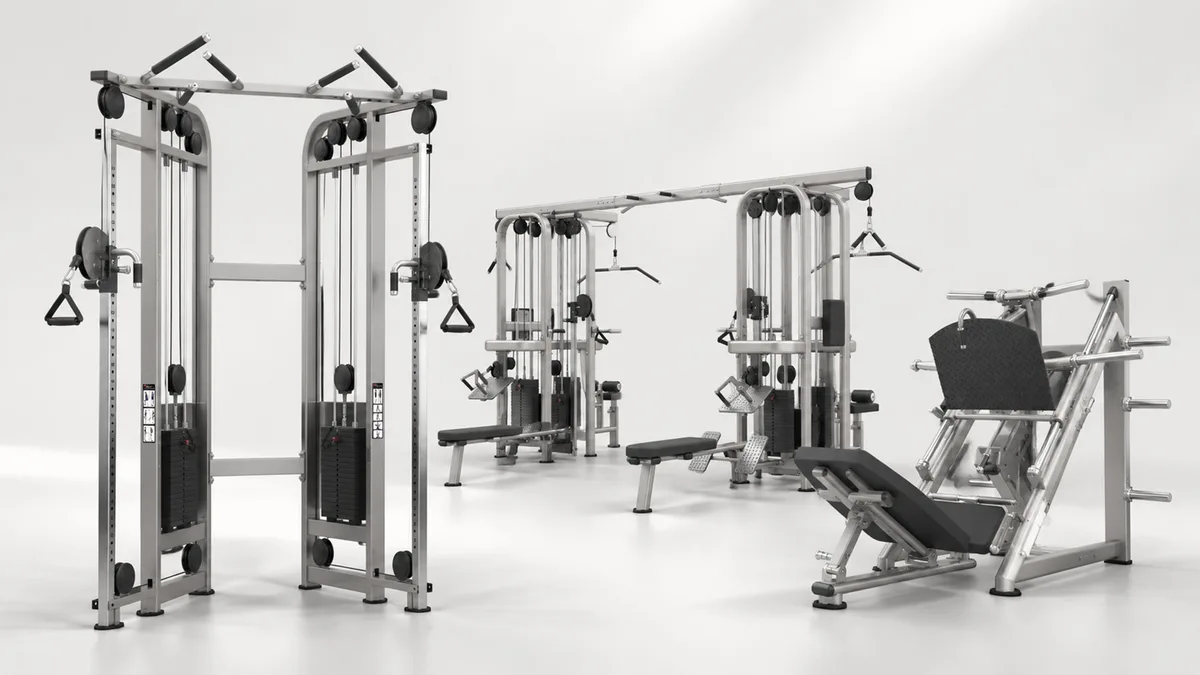
A gym equipment package is a combination of various products with different functions and specifications. Some packages focus on strength training, others prioritize cardio, and some are designed for facilities with limited space.
Paid gym requirements also differ from hotel requirements. A commercial gym may require more machine variations to serve diverse training programs, while a hotel may prioritize equipment that is easy for guests with varying experience levels to use.
Besides facility type, the following factors influence the offer value:
- Model, specifications, and quantity of equipment.
- Composition of cardio, strength, and free weight machines.
- Choice of materials, finishes, and color customization.
- Delivery location and building access conditions.
- Scope of installation, warranty, and technical support.
That is why package pricing should be evaluated alongside its product details. A total figure without a list of models and scope of work is insufficient as a basis for decision-making.
Important note: Do not just compare the price figures. Make sure you know the product specifications, unit counts, accessories, and services genuinely included in the package.
1. Equipment Types and Composition
The main component of a commercial gym package price is the equipment itself. Generally, needs can be divided into several categories.
Cardio Equipment
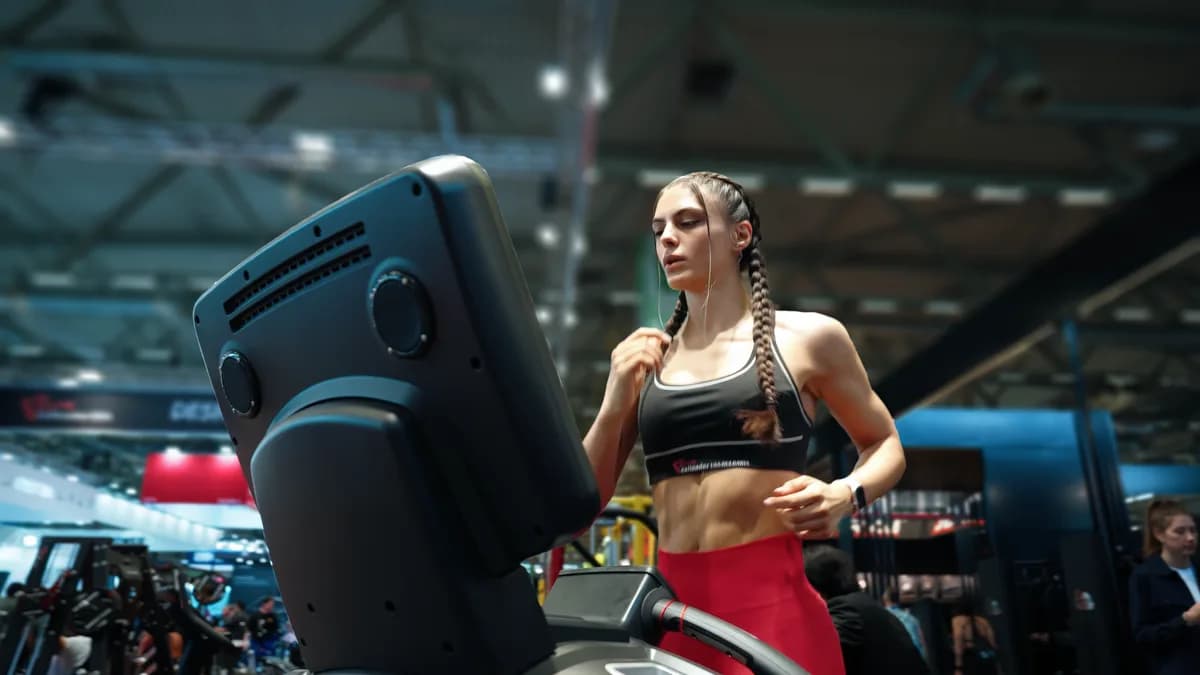
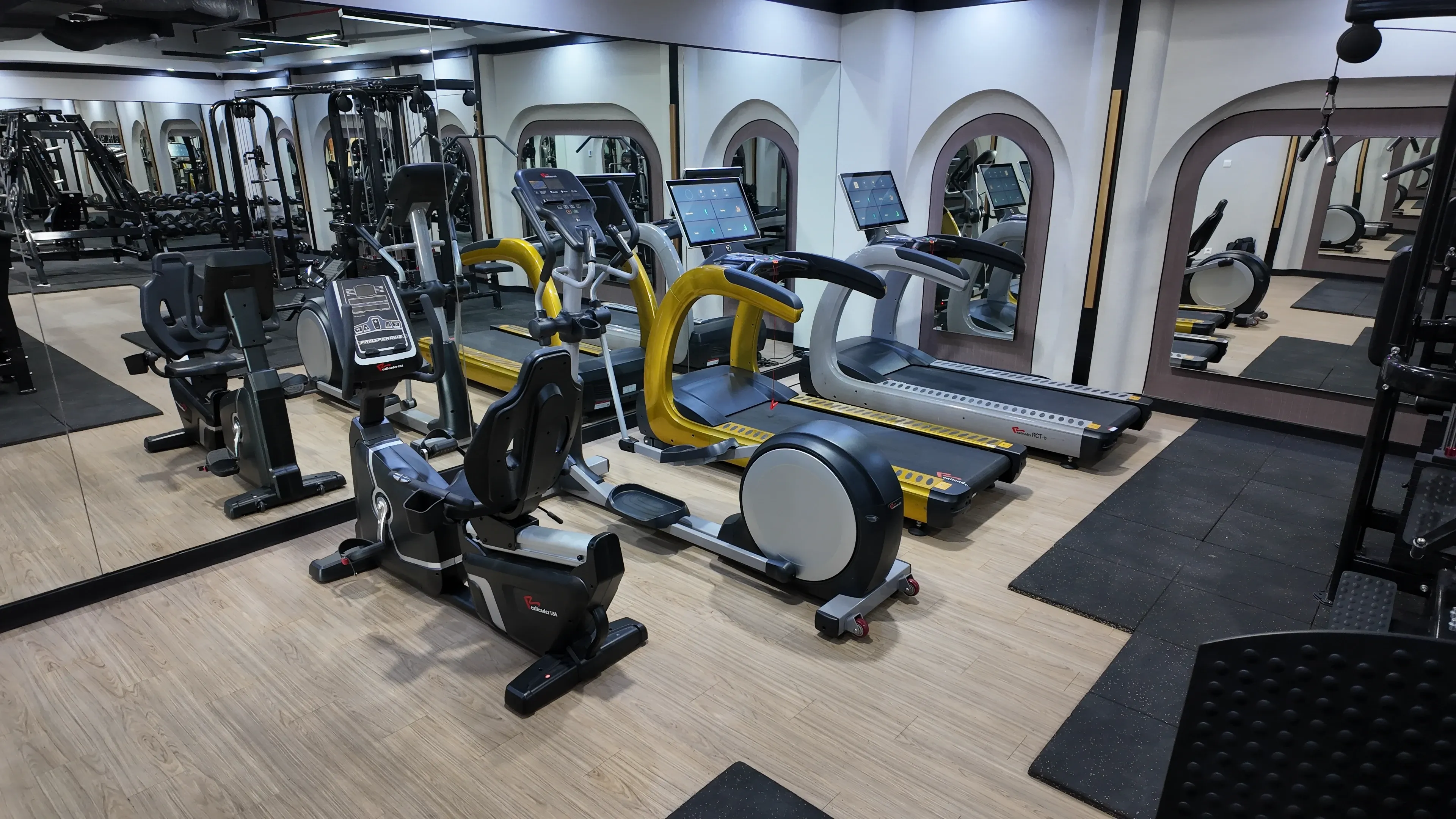
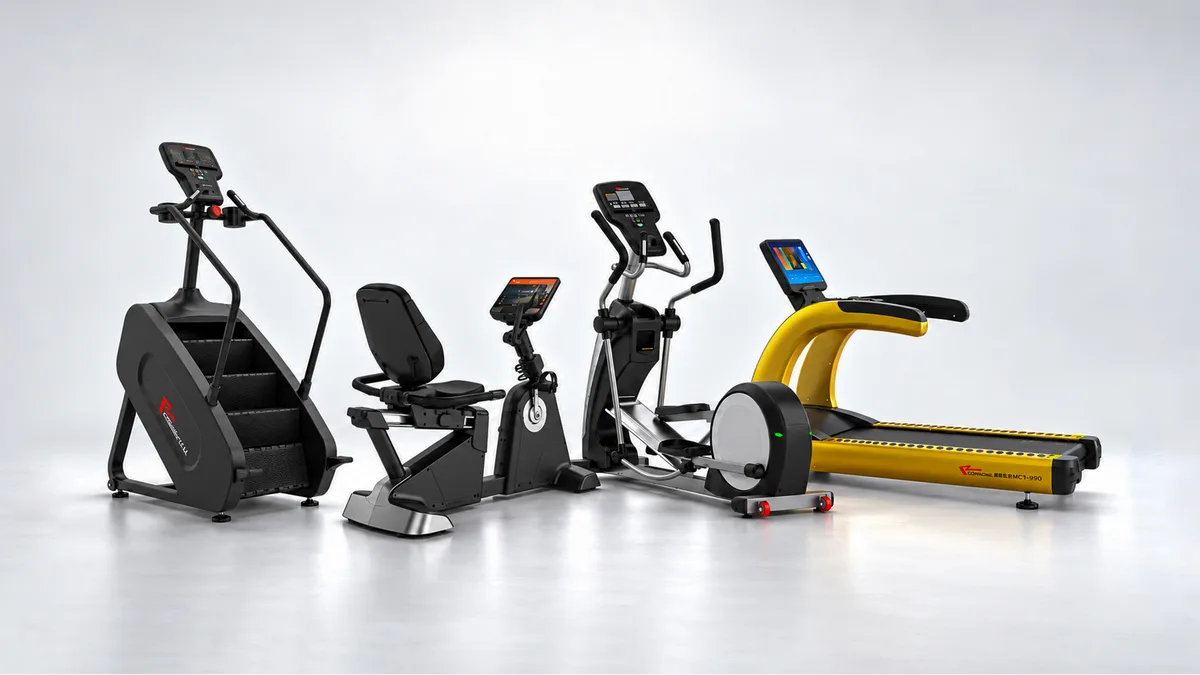
This category may include treadmills, exercise bikes, ellipticals, and rowing machines. Choices should be tailored to user profiles, available space, and the power requirements of each model.
Do not just compare screen displays. Also check usage specifications, user weight limits, comfort, maintenance ease, and commercial warranty terms.
Strength Equipment
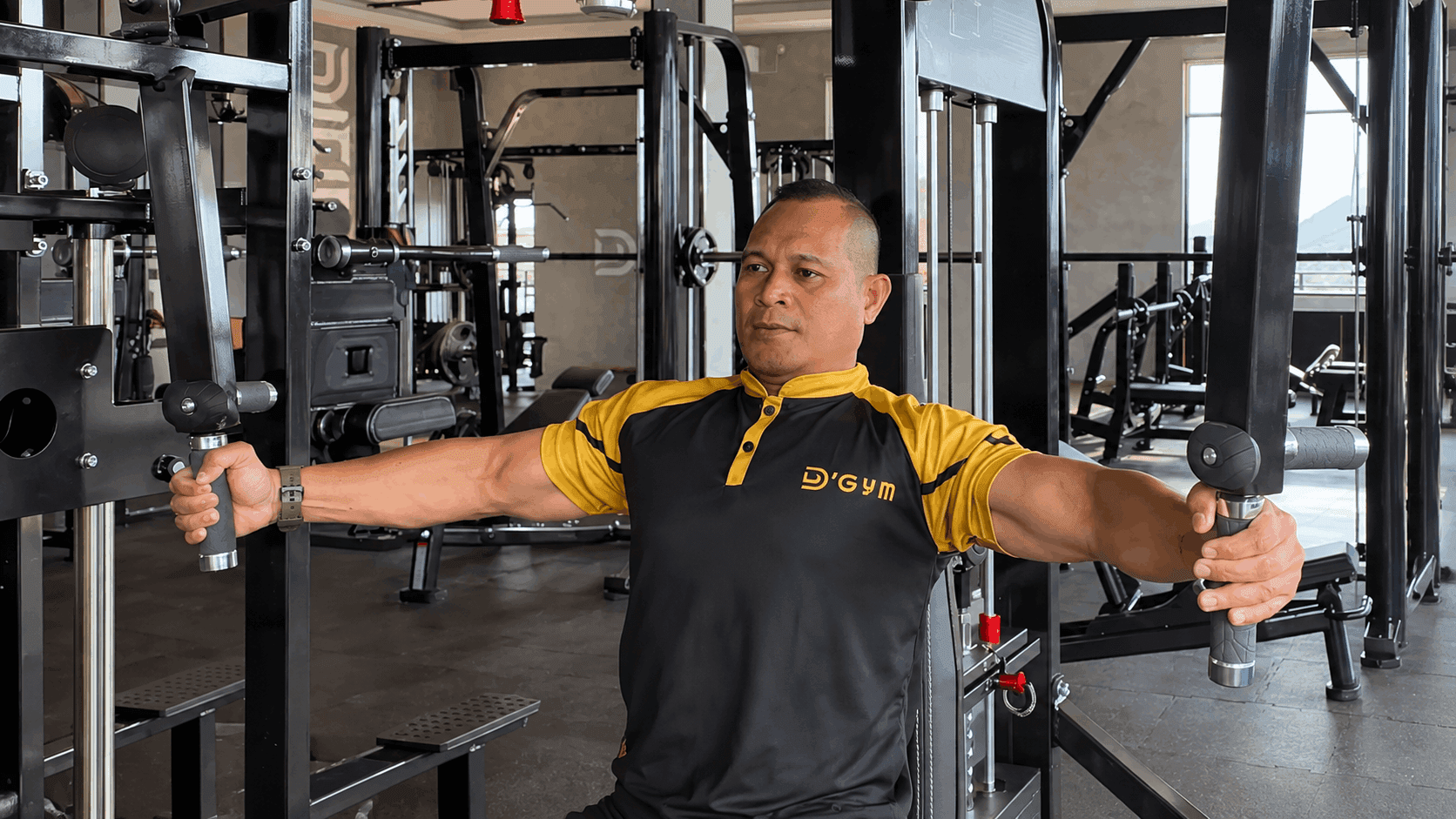
Strength machines can be pin-loaded, plate-loaded, cable machines, or a combination of types. Each option has different space requirements and usage characteristics.
Pin-loaded machines make weight adjustments easy via pins. Plate-loaded machines use separate weight plates, so weight plate requirements need to be factored into the budget.
Free Weights and Accessories
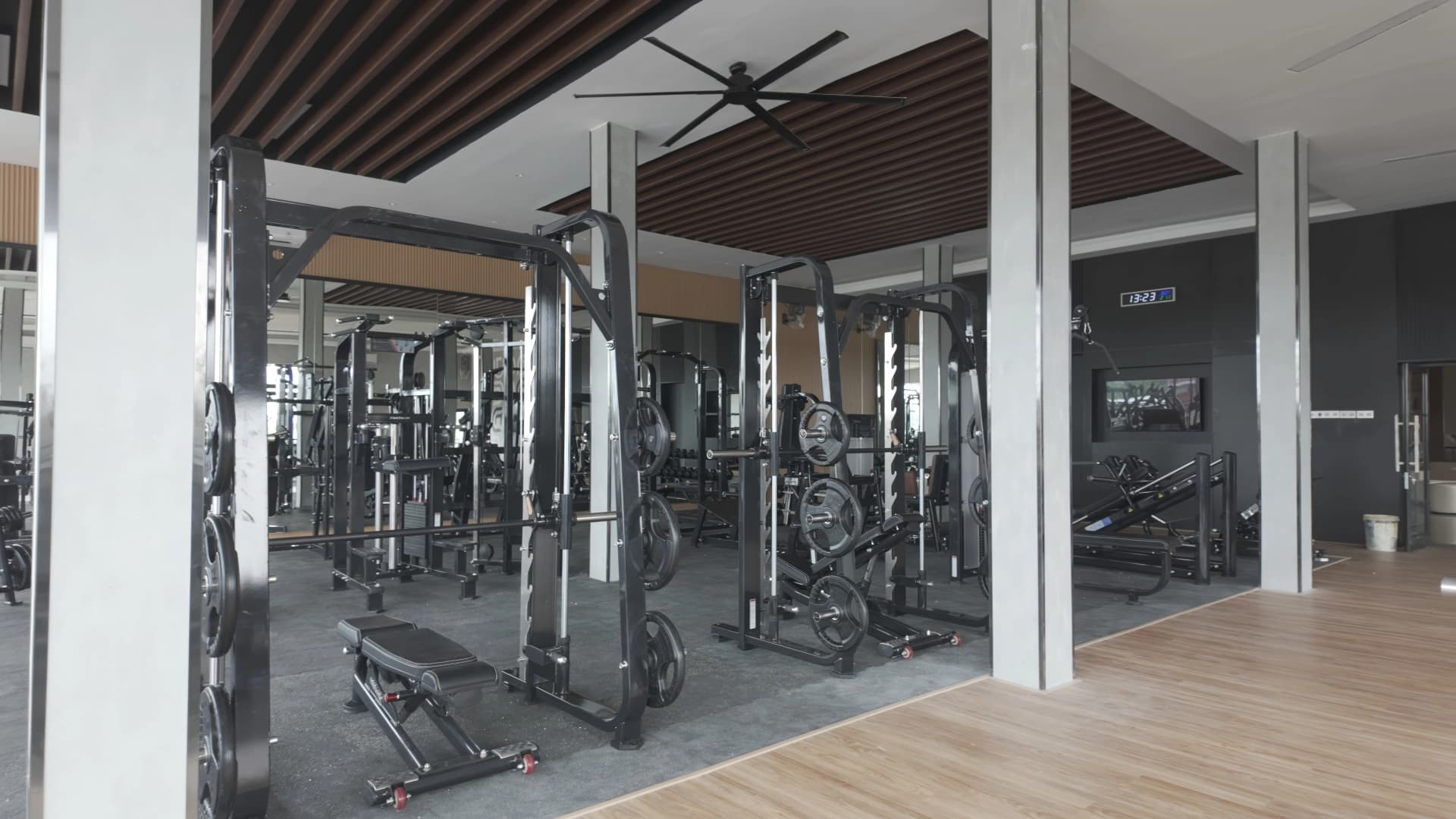
Dumbbells, barbells, weight plates, benches, racks, and workout accessories often seem like mere complements. In reality, they all need to be calculated from the start so the facility is ready for use.
Make sure the offer specifies whether accessories are included. A machine that looks complete in photos may not necessarily be offered with all its supporting gear.
You can view various options of Realleader commercial fitness equipment as a reference when structuring your facility's needs.
2. Specifications and Suitability for Commercial Use
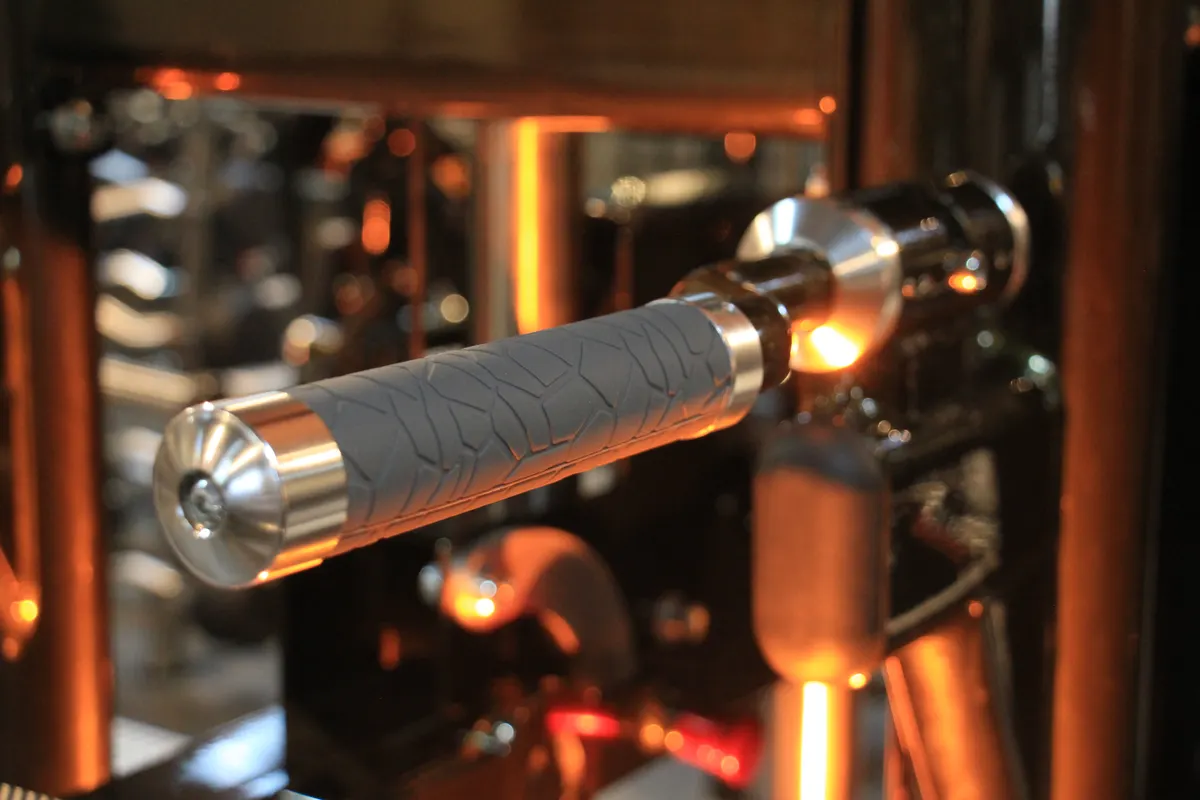
Equipment for a gym business should be chosen based on the intended use stated by the manufacturer. A large appearance or thick-looking frame alone is not enough to assess suitability.
Request information regarding load capacities, positioning systems, drive components, and usage and maintenance guides. For strength machines, also test the smoothness of the movement path and ease of adjustment for users with different postures.
Commercial fitness equipment pricing should be considered alongside user experience and technical support. Equipment that matches needs can help operations run more smoothly, though results still depend on usage and maintenance.
If possible, conduct trials in a showroom. Involve individuals who understand workouts and gym operations so evaluations aren't based solely on design.
As an additional reference, you can study information regarding physical activity and its health benefits from the WHO to understand the context of fitness facility needs.
3. Room Size and Layout Planning
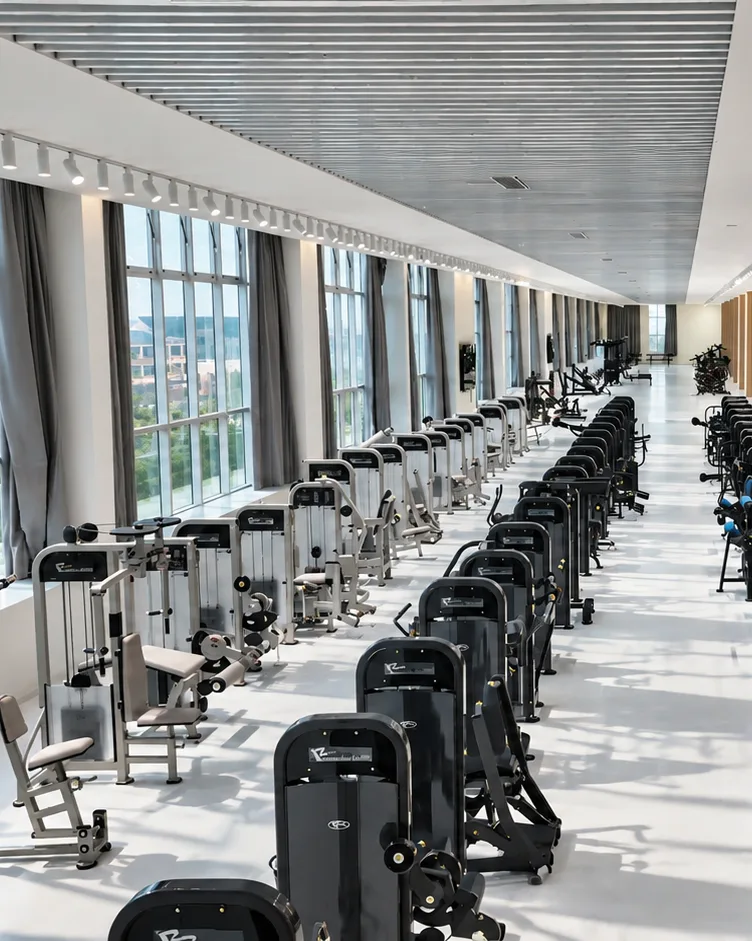
Room size affects the amount of equipment that can be placed, but it is not the sole basis for package selection. Building shape, column positions, doors, and circulation paths must also be considered.
A 100-square-meter room, for instance, cannot be entirely used to place machines. You still need open movement space, access paths to equipment, storage, and supporting areas according to the facility's concept.
A layout created prior to purchase helps reduce the risk of choosing equipment that is too large or buying multiple machines with overlapping functions.
Planning must also factor in the operating space for each piece of equipment according to manufacturer guidelines. Product dimensions are not always the same as the area required when the equipment is in use.
Ask whether layout planning services are included in the offer and what deliverables you will receive.
4. Delivery, Loading/Unloading, and Site Access
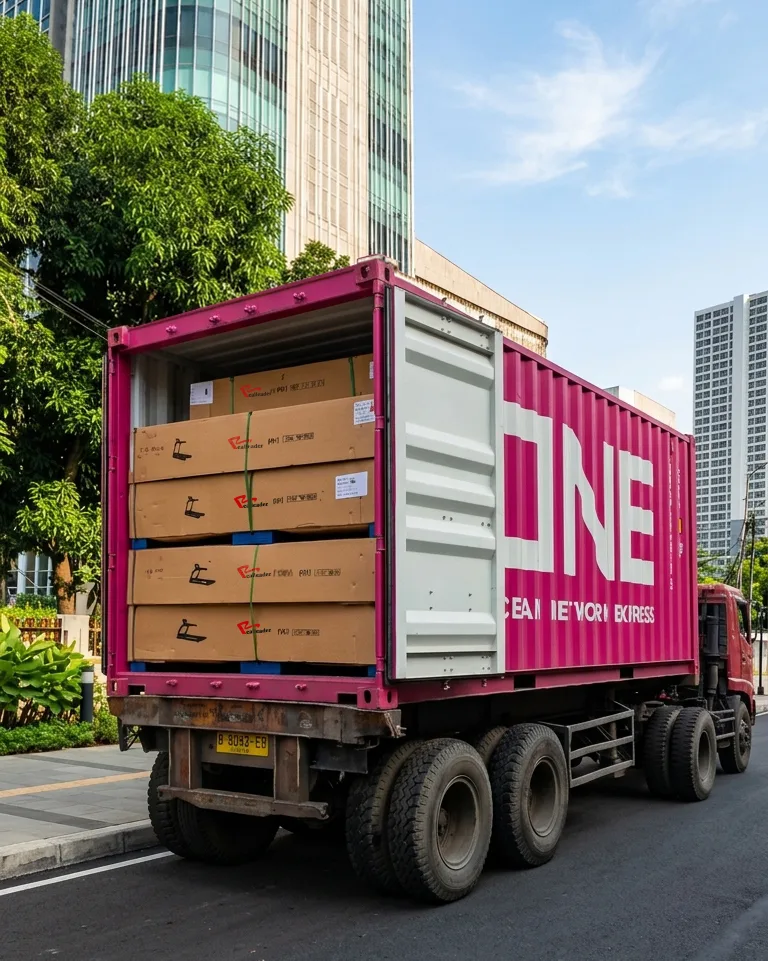
Gym equipment shipping costs are influenced by location, item size, weight, packaging methods, and destination handling requirements.
Delivery to a ground floor with adequate vehicle access differs from upper-floor delivery through restricted routes. These conditions must be communicated to the supplier before prices are agreed upon.
Information that should be prepared includes:
- Complete address and receiving point.
- Floor level where the gym is located.
- Dimensions of doors, freight elevators, or stairways.
- Loading/unloading time limits from building management.
- Special lifting equipment requirements.
Also confirm who is responsible for loading, unloading, and moving items into the room. The term "shipping included" needs clarification to avoid misunderstandings upon arrival.
To understand safety aspects in material handling activities, you can also refer to the OSHA ergonomics and workplace safety guidelines.
5. Installation and Pre-Use Inspection
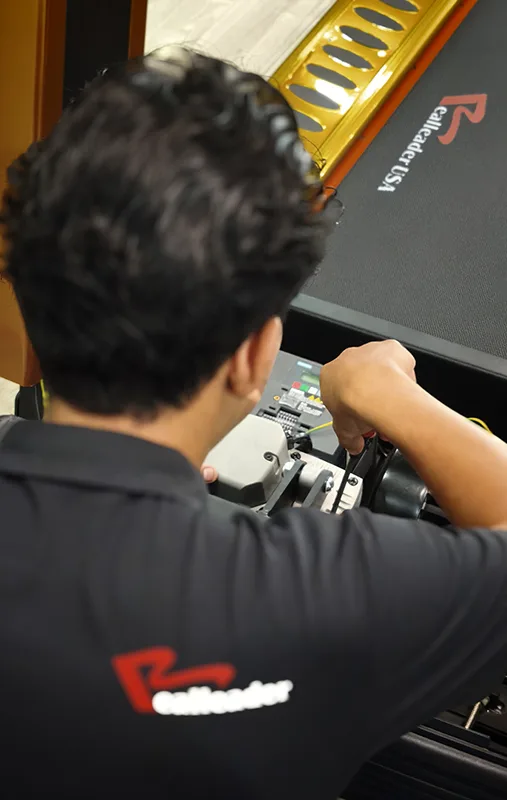
Once the equipment arrives, the job isn't finished. Some products require assembly, placement, calibration, and functional inspection before use.
Installation scope should be detailed in the offer. Does the service cover only assembly, or does it include layout placement and functional testing?
For out-of-town projects, also ask whether technician transportation and accommodation are included in the costs.
During handover, match the models and quantities with your order. Check physical condition, accessory completeness, and the basic functions of each piece of equipment.
Ask the installation team for usage and maintenance instructions. Keep handover documents, serial numbers, and technical service contact info handy for future reference.
6. Warranty, Spare Parts, and Maintenance
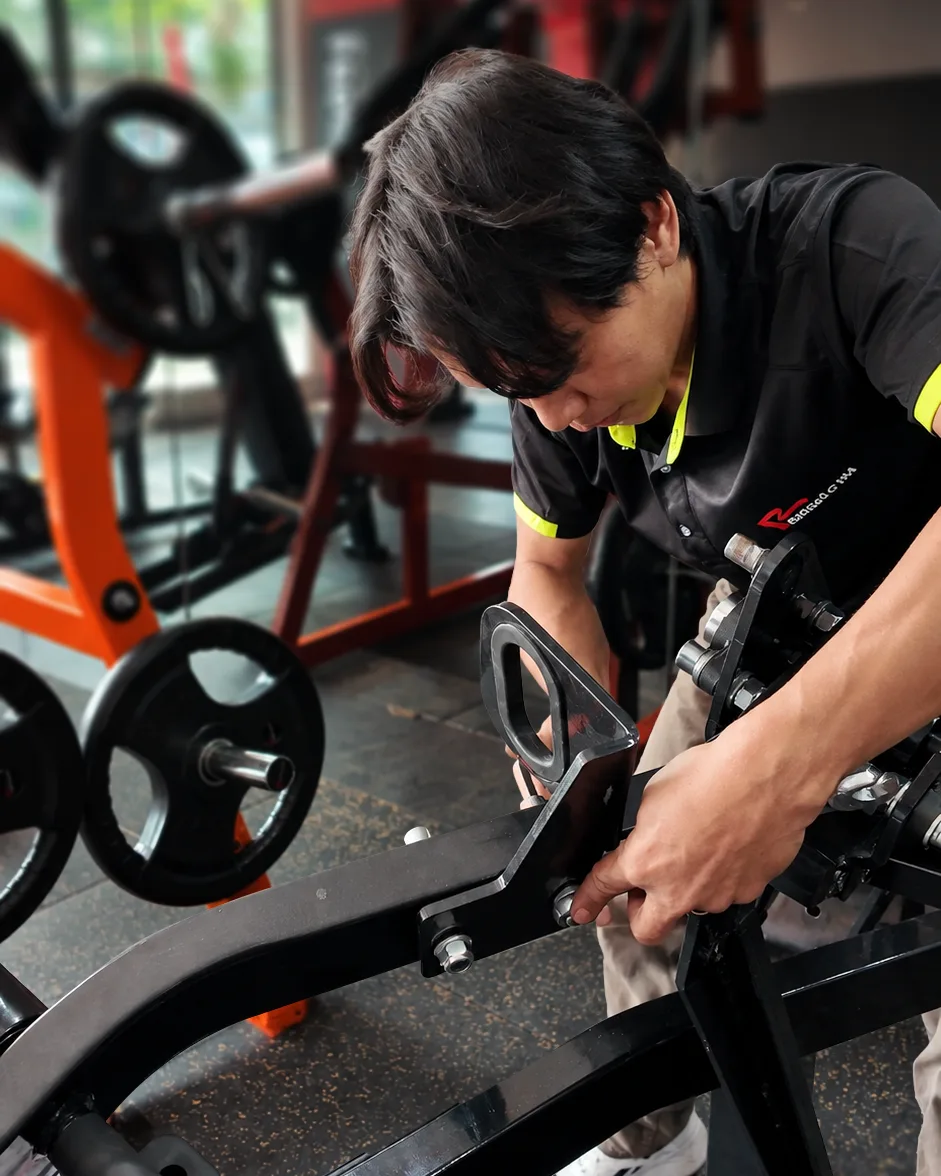
Purchase price is only the initial cost. Throughout the usage period, you also need to prepare a budget for maintenance and potential component replacements.
When comparing packages, don't just look at warranty length. Check covered components, exclusions, claim procedures, and arrangements for technician visit fees or component shipping.
A frame warranty does not automatically mean all parts of the equipment share the same protection period.
Ask how spare parts are ordered, which components typically require replacement, and how support is provided for your project's location.
Routine maintenance should also be scheduled based on manufacturer guidelines. Cleaning, connection checks, and guided component inspections help teams identify issues before they disrupt further use.
7. Taxes and Room Preparation
Before approving package pricing, ensure whether listed figures include applicable taxes. Request a written breakdown so total payments can be calculated clearly.
Additionally, distinguish equipment purchase budgets from facility preparation costs.
Work such as flooring installation, mirrors, electrical wiring, lighting, ventilation, and air conditioning may fall outside the fitness equipment supplier's offer.
Building structural suitability must also be inspected by qualified parties, especially if the facility is on an upper floor or handles heavy loads.
Separating these components gives you a more complete picture of project funding needs. Avoid spending your entire budget on machines before accounting for room requirements and operational readiness.
Sample Gym Equipment Package Budget Simulation
To understand how to calculate it, here is an example of budget allocation for equipment procurement and supporting work.
Note: The following figures are planning illustrations only, not market prices, official Realleader offers, or compositional recommendations for all gyms.
| Component | Illustrative Budget |
|---|---|
| Cardio equipment | Rp120.000.000 |
| Strength machines | Rp240.000.000 |
| Free weights, benches, and racks | Rp90.000.000 |
| Workout accessories | Rp15.000.000 |
| Shipping and cargo handling | Rp20.000.000 |
| Installation and functional inspection | Rp15.000.000 |
| Illustrative subtotal | Rp500.000.000 |
In this example, the equipment budget reaches Rp465 million, while shipping and installation total Rp35 million.
This simulation does not include taxes, renovations, flooring, rental fees, or operational capital. Actual values must be calculated based on the model list, unit count, location, and written offers.
If shipping or installation is already included in the equipment price, do not count them again as additional costs.
How to Compare Offers Fairly
When receiving multiple offers, create a comparison table with identical details. Include models, unit quantities, specifications, accessories, warranties, and shipping/installation scope.
Avoid comparing total prices of two packages with different contents. A package with more machines is not necessarily the most suitable if some items don't support your users' needs.
Also check item readiness and estimated execution timeframes. Distinguish available products from those requiring pre-ordering.
A clear offer helps you understand what you are paying for, what you receive, and what work still needs to be prepared independently.
Before approving an offer, make sure you have obtained:
- List of models and unit quantities for each piece of equipment.
- Product specifications and completeness.
- Shipping and installation cost breakdown.
- Warranty terms and after-sales service.
- Estimated delivery time and project completion timeframe.
- Tax breakdown and total payment.
Frequently Asked Questions
What is the right commercial gym equipment package price for a new business?
There is no single figure that applies to all businesses. Structure your requirements based on target users, effective room size, equipment choices, and project location, then request a detailed offer.
Is buying a package always cheaper?
Not necessarily. Package value must be evaluated based on the suitability of the included products and services. A package becomes less efficient if it contains unneeded equipment.
Must all equipment be purchased at once?
Procurement can be planned in stages as long as initial facilities still support the promised services. Prepare space and expansion plans so subsequent purchases fit the layout.
Plan Your Gym Equipment Package with Realleader
Commercial gym package pricing should be calculated as part of a comprehensive facility plan. Equipment choices, room readiness, delivery, installation, and post-purchase support should be evaluated together.
Realleader Indonesia can help you discuss equipment needs for commercial gyms, hotels, apartments, or corporate facilities.
Prepare room dimensions or floor plans, project location, facility type, estimated budget, and target opening date. This information serves as the basis for structuring tailored equipment recommendations and offers.
Consult Your Gym NeedsAdditional information references: